Interior vs. Exterior Painting: Key Differences and Best Practices
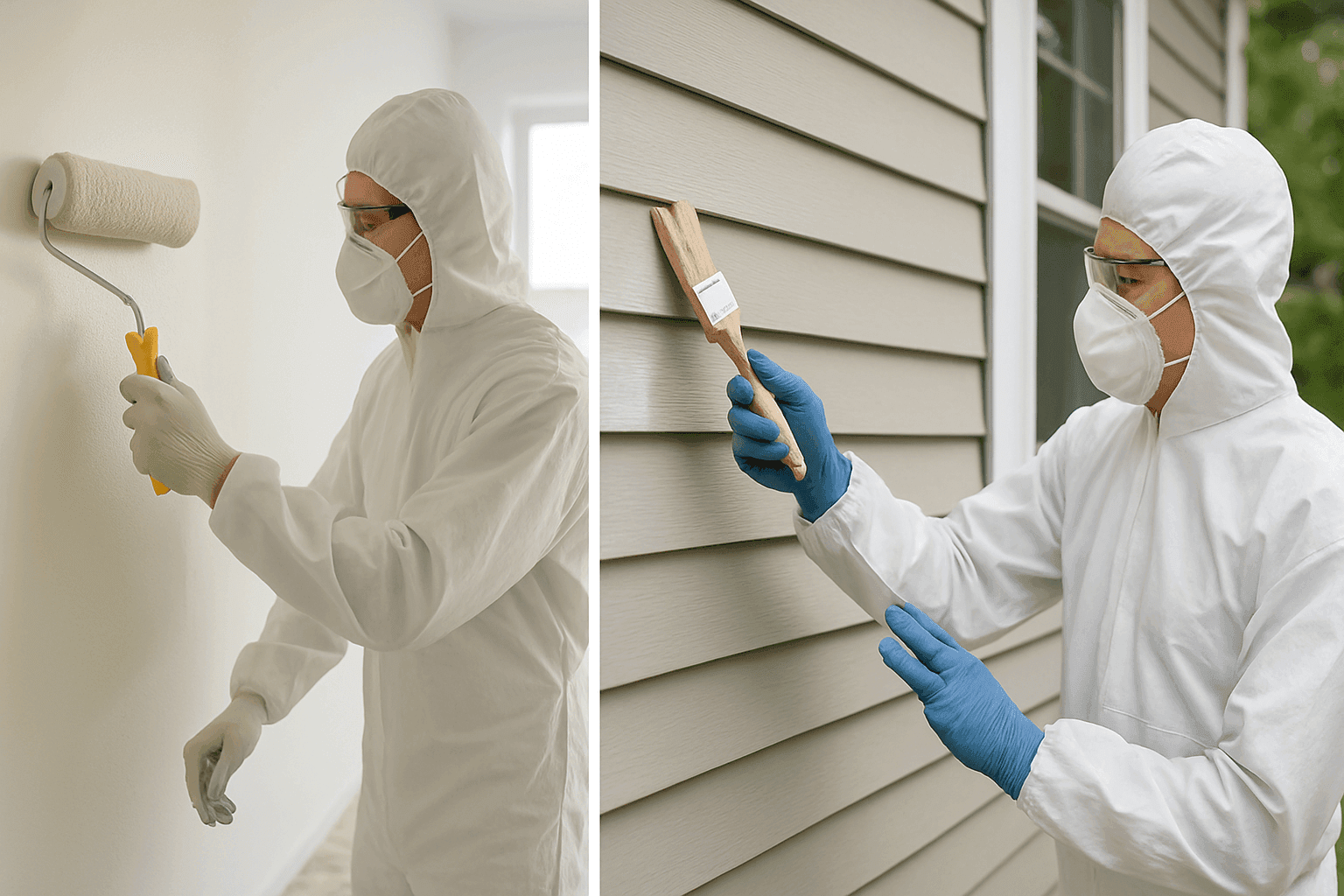
Painting a space—whether it’s your living room, a retail storefront, or even the garage floor—can feel like a fresh start. But it’s not just a matter of picking a color and grabbing a brush. The difference between painting indoors and outdoors is like comparing apples to oranges. What works for kitchen walls might fail against rain or sun.
At Amet Painting, we’ve seen peeling, bubbling, and faded paint jobs that could have been avoided. Let’s break down what really separates interior and exterior painting, and how to make sure your next project stands up to both time and weather.
Key Differences in Paint Formulation 🎨
Choosing the right paint is more than color swatches. Paints for interiors and exteriors are designed to do different jobs.
Interior Paints:
- Made for easy cleaning and stain resistance.
- Low or zero VOCs (volatile organic compounds) for healthier indoor air.
- Prioritize smooth finishes, low odor, and color retention away from harsh sunlight.
Exterior Paints:
- Packed with flexible resins and additives to handle temperature swings, UV rays, rain, and mildew.
- Higher VOCs are often present to boost durability.
- Formulated to expand and contract with siding, brick, or stucco.
Why it matters:
An interior paint used outside can quickly fade or peel. Exterior paints indoors can release strong odors and chemicals not safe for closed spaces. The wrong choice can mean repainting sooner—and spending more.
Reference: The U.S. Environmental Protection Agency (EPA) and paint manufacturer best practices stress using the correct paint for each setting.
Prep and Application: Laying the Groundwork
Think of painting like baking bread. It’s tempting to rush, but the results depend on preparation as much as ingredients.
Surface Preparation
- Interiors: Dust, grease, and tiny holes are common. Clean with a mild soap, patch holes, sand smooth, and prime if needed.
- Exteriors: Dirt, moss, chalking, and peeling paint are bigger threats. Power washing, scraping old paint, sanding rough spots, and addressing mold are crucial steps.
Tools and Techniques
- Brushes and Rollers: Most common for interiors, trim, and cabinetry. Brushes offer control; rollers cover large, flat walls efficiently.
- Sprayers: Best for exteriors, fences, and surfaces like stucco or brick. Fast, even coverage—but require skill and careful masking.
- Specialty Tools: For textures, murals, or accent walls, sponges, stencils, and specialty brushes come into play.
Safety
- Interiors: Ventilate well. Use drop cloths and painter’s tape. Wear masks when sanding or stripping old paint, especially if you suspect lead.
- Exteriors: Ladders and scaffolding demand sturdy ground and caution. Protective gear for eyes, hands, and lungs is a must, especially when using sprayers or paint removers.
Reference: OSHA guidelines and the U.S. Consumer Product Safety Commission recommend personal protective equipment for all painting projects.
Environmental Factors: Weather and Moisture
Mother Nature is not always on your side.
- Temperature: Most paints work best between 50°F and 85°F. Too cold or hot, and paint may not stick or cure properly.
- Moisture: Painting after rain, or on humid days, leads to blistering and peeling. Dry surfaces are a must.
- Sunlight: Direct sunlight can dry paint too quickly, leading to cracks. Aim for shaded times or overcast days when painting outdoors.
- Interiors: While weather is less of a factor, humidity (think bathrooms, kitchens) can still affect drying.
Tip: Always check the weather forecast before starting exterior painting. Some specialty coatings, like Epoxy Floor Coating near you, may have stricter temperature or humidity requirements.
Best Practices for Each Setting
For Interior Painting:
- Use low-odor, low-VOC paints, especially for bedrooms, kitchens, or spaces with kids and pets.
- Allow each coat to dry fully before adding another.
- Prep carefully—smooth walls mean a smoother finish.
- Consider specialty finishes for accent walls or murals to add personality.
For Exterior Painting:
- Never paint right before or after rain.
- Scrape, sand, and clean all surfaces thoroughly.
- Use a primer designed for exterior use, especially on bare wood or metal.
- Check for rot or damage, and repair before painting.
- Apply paint during the mildest part of the day.
For Both:
- Protect floors, furniture, plants, and fixtures with drop cloths or plastic.
- Use painter’s tape for sharp lines and easy cleanup.
- Dispose of paint and supplies according to local regulations.
Common Mistakes to Avoid 🚫
- Skipping prep: The #1 reason for early paint failure.
- Wrong paint type: Interior paint outside? Recipe for disaster.
- Painting in bad weather: Don’t rush, or you’ll redo.
- Poor safety practices: Ladders on uneven ground, or no mask when removing old paint, can end badly.
- Overloading the brush or roller: Leads to drips and uneven coverage.
The Paint Quality Institute and National Institute for Occupational Safety and Health (NIOSH) both emphasize these common pitfalls.
Quick Safety Checklist
- Ventilate all spaces, especially with solvent-based paints.
- Wear gloves, goggles, and masks as needed.
- Check for lead paint in homes built before 1978—use EPA-certified lead-safe practices.
- Secure ladders and scaffolding.
- Store chemicals and paints away from children and pets.
DIY vs. Call a Pro
Some projects are weekend-friendly—others demand a pro’s experience.
DIY May Work If:
- You’re painting a small, easily accessible area (like a bedroom or fence).
- There’s no old lead paint, mold, or significant repairs needed.
- You’re comfortable with basic prep and cleanup.
Call a Pro If:
- High, hard-to-reach spaces (ceilings, exteriors, trim on multi-story homes).
- Surfaces need significant repairs, like drywall repair or graffiti removal.
- You want specialty finishes, textured walls, or mural painting.
- Industrial spaces, commercial properties, or large-scale projects.
- You’re not sure which materials or methods suit your space.
A professional painter brings not just skill but the tools, safety training, and efficiency that come from years on ladders, behind sprayers, or restoring cabinets and exteriors.
What Pros Do On Arrival
Ever wonder what happens when a painting crew shows up? Here’s what to expect:
- Assessment: Inspect surfaces, moisture levels, and existing paint conditions.
- Protection: Cover floors, furniture, landscaping, fixtures.
- Surface Prep: Power wash, scrape, patch, sand, prime—whatever’s needed.
- Material Selection: Match paints or coatings to the job (e.g., Epoxy Floor Coating near you for garages, eco-friendly paints for interiors).
- Method: Choose between brush, roller, or spray based on surface and finish.
- Cleanup: Remove debris, tape, and covers. Proper disposal and post-job inspection.
Prevention & Maintenance
A bit of care extends the life of any paint job.
- Interiors: Clean walls gently with mild soap. Touch up nicks and scratches promptly. Address leaks or moisture quickly.
- Exteriors: Inspect annually for peeling, cracks, or mold. Power wash siding and decks each season. Re-seal wood and decks as needed.
- Specialty Surfaces: Garage floors, cabinets, and fences benefit from periodic cleaning and spot treatment.
Costs & Time Factors
Every project is different, but some things remain constant.
- Interior painting: Usually faster and less affected by weather. Costs depend on prep, surface area, and number of coats.
- Exterior painting: Can take longer due to weather delays, prep, and ladder/scaffolding work. Surfaces like stucco or brick require more paint and effort.
- Specialty coatings: Epoxy, murals, or textured finishes add time for prep and drying.
- Commercial projects: May require off-hours work, more safety precautions, and specialized coatings.
Factor in drying time between coats, curing time for high-use surfaces, and the need for return visits in larger spaces.
When It’s an Emergency ⚠️
Some signs mean you shouldn’t wait:
- Peeling or bubbling paint exposing bare wood or metal (risking rot or rust).
- Mold or mildew spreading on ceilings or exteriors.
- Lead paint chipping in homes built before 1978.
- Graffiti on commercial properties, especially if it harms business image.
Call a professional painter right away. They have the tools and training for safe, thorough repairs.
FAQ: Common Questions
How long does interior paint last?
Typically 5–10 years, depending on use, cleaning, and sunlight exposure.
Can I use the same paint for walls and ceilings?
Ceiling paints are flatter and splatter less. For best results, use paints made for each surface.
What’s the best time of year to paint exteriors?
Spring and fall, when temperatures are mild and humidity is low, are ideal.
Is eco-friendly paint as durable?
Modern eco-friendly paints perform as well as traditional options for most indoor and outdoor uses.
Local & Seasonal Considerations
Where you live—and the time of year—matters.
- Cold climates: Avoid painting exteriors in winter or during freeze-thaw cycles.
- Humid regions: Watch for mold and choose mildew-resistant paints.
- Dry, sunny locations: UV protection is key; pick paints with top-notch fade resistance.
- Urban areas: Pollution and graffiti may need specialty coatings or regular cleaning.
Plan your project around the forecast, and always ask your painting service about the best timing for your area.
Ready to transform your space—or protect it for years to come?
Call Amet Painting now — or reach us anytime at 888-869-1822 .