Epoxy Floor Coating Guide: Benefits, Process, and Best Uses
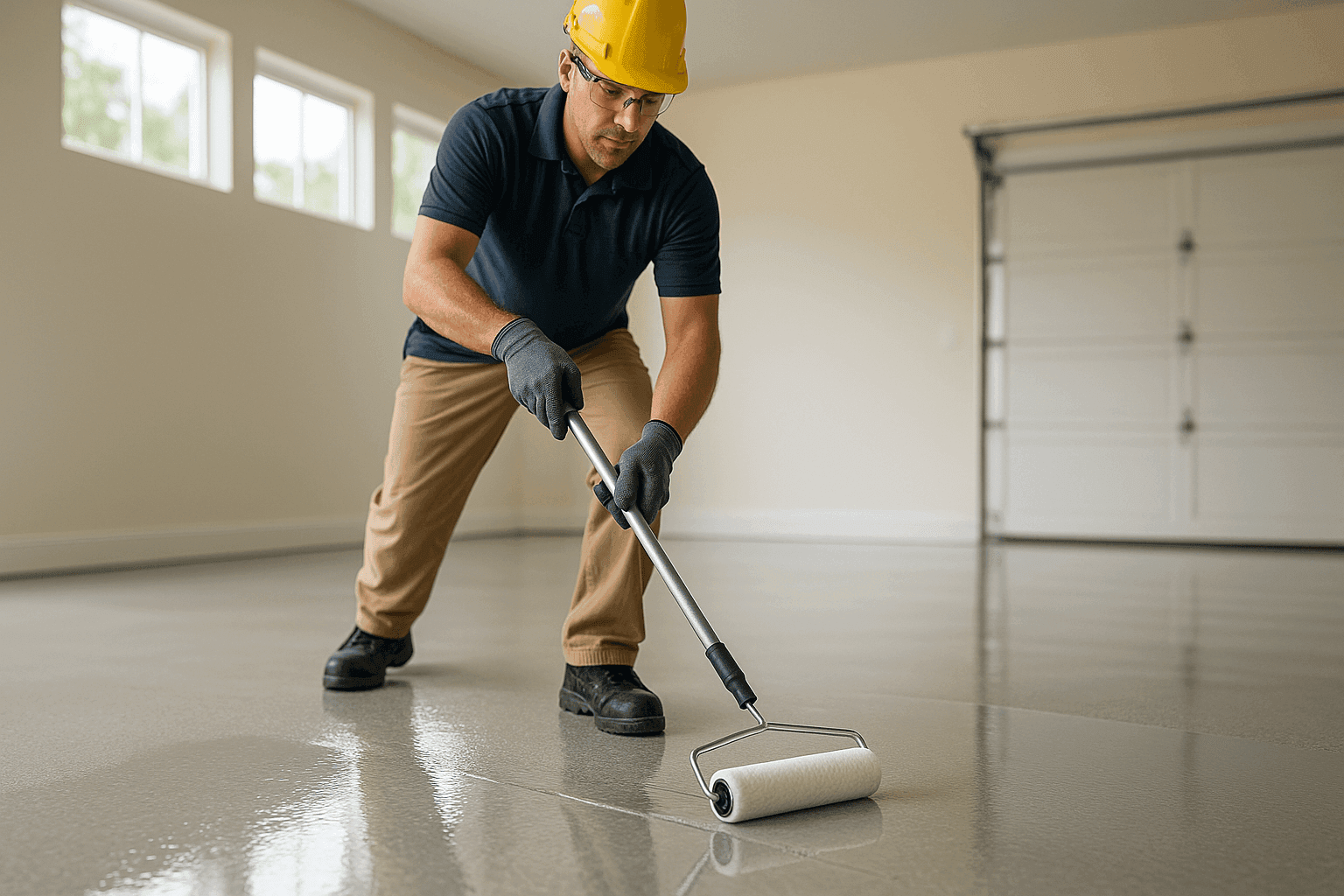
If your garage, basement, or commercial kitchen floor has taken a beating, you’re not alone. Every day, floors face the grind of heavy equipment, muddy paws, spilled coffee, and winter salt. That’s where epoxy floor coating steps in—like a sturdy raincoat for your concrete.
At Amet Painting, we know the paintwork beneath your feet matters as much as the walls above. We’ve helped homeowners and businesses transform tired, stained floors into clean, durable spaces worth showing off.
The Challenge: Why Regular Floors Don’t Last
Bare concrete might seem tough. But over time, it’s a sponge for stains, cracks, and grime. In high-traffic areas—think auto shops, showrooms, warehouses, and garages—ordinary floors chip away. Cleaning becomes a chore. Even with diligent sweeping, oil and chemicals seep in, leaving ugly scars.
For residential basements, one leaky water heater or dropped toolbox can leave a mark that never really goes away. Businesses face even bigger headaches: safety codes, slip hazards, and that all-important first impression on customers.
That’s why property owners are looking for epoxy floor coating near you—a finish that protects, looks sharp, and stands up to whatever life (or work) throws at it.
What Is Epoxy Floor Coating?
Imagine liquid armor for your floors. Epoxy is a two-part system: a resin and a hardener. When mixed, they create a tough, plastic-like surface that clings to concrete. It cures into a hard, seamless layer—resistant to impact, chemicals, and water.
Types of Epoxy Floor Coatings:
- 100% Solids Epoxy: The heavyweight champion—thick, long-lasting, used in warehouses and industrial settings.
- Water-Based Epoxy: Easier to apply, milder fumes, great for homes or light commercial spaces.
- Solvent-Based Epoxy: Durable and quick-curing, but requires careful ventilation.
There are also decorative options: color flakes, metallic swirls, and non-slip finishes that add both style and safety.
Top Benefits of Epoxy Floors 🛡️
Why do so many property owners choose epoxy? Here’s what sets it apart:
- Extreme Durability: Holds up under forklifts, vehicles, high heels, and pet claws.
- Chemical Resistance: Spills from gasoline, oils, cleaning agents, or kitchen messes wipe right up.
- Easy Maintenance: No more scrubbing stains. A mop or broom is usually enough.
- Custom Looks: Choose from glossy, matte, colored, or textured finishes.
- Improved Safety: Options for slip-resistant surfaces keep feet (and wheels) steady.
- Brightens Spaces: Reflects light, making dim garages and basements feel more inviting.
Most importantly, a well-installed epoxy floor can last 10 years or more—often outliving the paint on your walls.
Where Epoxy Makes the Biggest Difference
Epoxy isn’t just for auto shops. Here’s where it shines:
- Garages & Workshops: Shields concrete from oil, salt, and dropped tools.
- Warehouses: Handles heavy equipment, forklifts, and pallets.
- Commercial Kitchens: Meets health codes, resists spills, easy to sanitize.
- Retail & Showrooms: Creates a clean, professional look.
- Basements & Laundry Rooms: Blocks moisture and prevents musty odors.
- Healthcare & Labs: Seamless, easy-to-disinfect surfaces.
- Outdoor Patios & Walkways: (With specialty UV-resistant epoxy.)
If you need paint that stands up to heavy use, harsh chemicals, or constant cleaning, epoxy is hard to beat.
Quick Safety Checklist: Epoxy Floor Coating Prep
Before you start, safety comes first. Here’s what to keep in mind:
- Ventilation: Epoxy fumes can be strong (especially solvent-based). Open windows, use fans, and consider a respirator.
- Protective Gear: Gloves, goggles, and long sleeves shield your skin and eyes from splashes.
- Slip Precautions: Wet epoxy is slick. Mark off the area, keep kids and pets out.
- Fire Safety: Keep flames and sparks away, especially if using flammable products.
- Follow Product Instructions: Each epoxy brand may have unique mixing and curing guidelines.
The Occupational Safety and Health Administration (OSHA) and Environmental Protection Agency (EPA) both offer guidance on safe handling of coatings and solvents.
DIY Epoxy vs. Calling a Pro
Rolling out your own epoxy floor kit is tempting. But it’s a project with little margin for error—like baking bread, but with chemistry. Here’s how to decide:
DIY May Work If:
- The area is small (like a single-car garage).
- The floor is in good condition—no major cracks or moisture issues.
- You’re comfortable with tools, mixing chemicals, and following safety steps.
Hire a Pro When:
- The space is large, busy, or must meet safety codes (think businesses, schools, restaurants).
- The concrete is cracked, damp, or needs repair.
- You want decorative finishes (flakes, metallics, custom colors).
- Fast turnaround is critical.
Remember: Proper surface prep is the make-or-break factor. If you skip a step, the epoxy may peel or bubble—costing more to fix later.
How Pros Tackle Epoxy Floors
Here’s what happens when Amet Painting arrives:
1. Inspection & Moisture Testing
We check for cracks, stains, and signs of moisture. A quick test tells us if the concrete is ready or needs sealing.
2. Surface Preparation
Preparation is everything. We:
- Remove old paint, sealers, or adhesives.
- Repair cracks or holes with fillers.
- Diamond-grind or shot-blast the concrete for a rough, clean surface (critical for epoxy to stick).
- Sweep and vacuum—no dust left behind.
3. Application
- Mix epoxy resin and hardener carefully (timing matters).
- Roll or squeegee the first coat, working quickly to avoid lap marks.
- Broadcast decorative flakes or anti-slip additives if requested.
- Apply a second (or third) coat for extra durability.
4. Curing
- Let the floor cure—typically 24–72 hours before light foot traffic, longer for vehicles or equipment.
- Check for imperfections and touch up if needed.
We always follow product-specific instructions and industry standards, including those outlined by the American Coatings Association and relevant building codes.
Keeping Your Epoxy Floor Looking Great
Epoxy is low-maintenance, but not “set it and forget it.” Here’s how to keep it shining:
- Sweep or dust mop weekly to remove grit that can scratch.
- Clean up spills fast—especially chemicals or oils.
- Use a gentle floor cleaner (no harsh acids or abrasives).
- Avoid dragging heavy items; use mats under furniture or equipment.
- Check for chips or damage after big impacts and repair promptly.
For commercial spaces, consider periodic power washing or a fresh topcoat every few years.
What Does Epoxy Floor Coating Cost & How Long Does It Take?
Epoxy floor coating costs vary. Factors include:
- Size of the space
- Number of coats and type of epoxy
- Floor condition/prep required
- Decorative finishes or safety features
Generally, installing epoxy takes 2–5 days, depending on drying times, prep work, and weather. For most homeowners, the investment pays off in years of durability and easy cleaning. For businesses, it’s about uptime—less downtime, more productivity.
When It’s an Emergency
Sometimes, you can’t wait. Flooded basements, chemical spills in a warehouse, or a safety slip in a busy kitchen can’t be ignored.
If your floor is:
- Peeling or lifting
- Slick or hazardous
- Severely stained, pitted, or cracked
It’s time to act fast. Quick repairs or temporary barriers may help, but a professional assessment is the safest bet.
FAQ: Epoxy Floor Coating
Q: How long does an epoxy floor really last?
A: With good prep and care, expect 10–20 years in a home garage, 5–10 in busy commercial spaces.
Q: Can epoxy be applied over old paint or sealers?
A: Not reliably. Old coatings must be removed for proper bonding.
Q: Is epoxy slippery when wet?
A: It can be, but anti-slip additives are available. Ask for a textured finish in high-traffic or wet areas.
Q: Does epoxy smell bad or create fumes?
A: Some types do during installation, especially solvent-based products. Ventilation and protective gear are a must.
Local & Seasonal Considerations 🌡️
Epoxy cures best between 55°F and 85°F with low humidity. In colder climates, winter installs may take longer or require special formulas. In humid regions, moisture testing is critical—damp concrete can cause bubbling and peeling.
For outdoor or garage spaces, check local building codes and Homeowners Association (HOA) rules. Some areas restrict certain coatings or colors.
Final Thoughts
Epoxy floor coating is more than a facelift—it’s a shield, a style upgrade, and a smart investment for home and business owners alike. Whether you need a show-stopping retail floor or a garage that stands up to Michigan winters, preparation and the right application make all the difference.
Have questions? Thinking of tackling your floor, or ready for a pro’s touch?
Call Amet Painting now — or reach us anytime at 888-869-1822 .