How to Remove Old Paint Safely: DIY and Professional Options
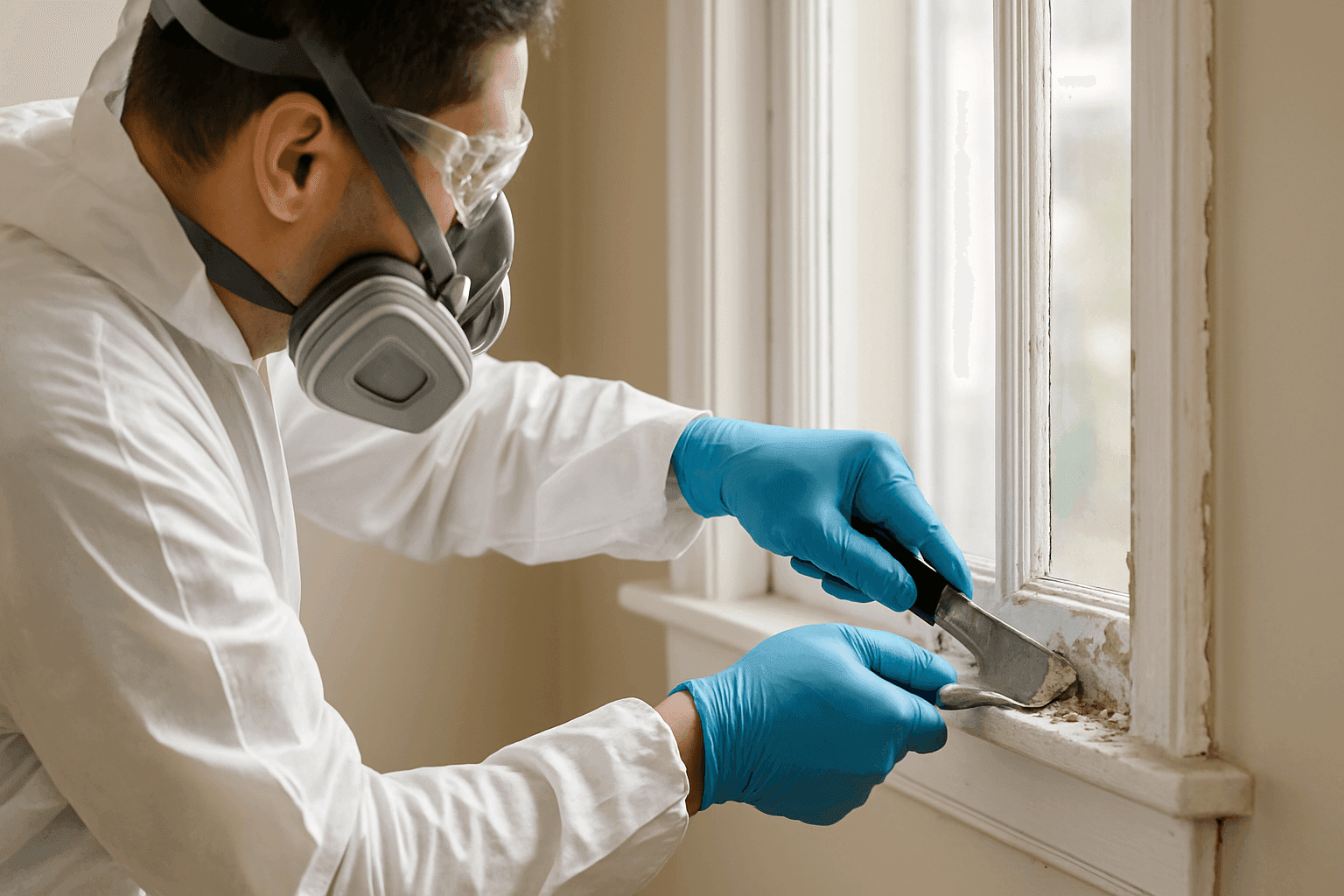
Is old, peeling paint making your space look tired or even unsafe? If you’re a homeowner or manage a property, removing old paint isn’t just about appearance. Sometimes, it’s a matter of health, value, and safety.
At Amet Painting, we know paint removal can seem daunting—especially with so many surfaces, coatings, and risks involved. Let’s break it down step by step, so you can make the best decision for your home or business.
When Is Paint Removal Necessary? 🎨
Sometimes, old paint is more than just an eyesore. Here’s when you should seriously consider removal:
- Peeling or flaking paint: Like loose shingles on a roof, these spots invite moisture and mold.
- Bubbling or blistering: Indicates trapped moisture or poor prep—trouble is brewing below the surface.
- Lead-based paint: Common in buildings before 1978. Flaking lead paint is hazardous, especially for kids and pregnant women.
- Cracked or chalky finish: Paint that rubs off like sidewalk chalk won’t hold new coats.
- Switching finishes: Going from gloss to flat (or vice versa) may need a fresh, clean surface.
- Stubborn stains or graffiti: Sometimes, removal is the only real option.
Risks of ignoring old paint:
Beyond looking shabby, deteriorating paint can damage surfaces, lower property value, and—if lead is present—pose serious health risks. According to the EPA, lead exposure can cause developmental issues in children and health problems in adults.
Safety First: Gear, Hazards, and Laws
Before grabbing a scraper, pause. Safety is the foundation of any paint removal project.
Potential hazards:
- Lead paint: Never sand or dry-scrape without checking for lead. The dust is toxic.
- Asbestos (on some older sidings): Disturbing these can release harmful fibers.
- Chemical removers: Many are caustic or emit dangerous fumes.
- Dust and debris: Fine particles can harm your lungs and spread through your home.
Personal Protective Equipment (PPE):
- NIOSH-approved respirator (not just a dust mask)
- Safety goggles
- Heavy-duty gloves
- Disposable coveralls or old clothing
- Closed-toe shoes
Legal requirements:
- EPA’s Renovation, Repair, and Painting (RRP) Rule: If you’re working on pre-1978 homes or child-occupied facilities, you must follow lead-safe practices.
- Local disposal laws: Paint chips and debris often count as hazardous waste.
Tip: Always check with your local environmental agency for specific rules and disposal sites.
DIY Paint Removal Methods
For smaller projects and non-hazardous surfaces, DIY can be safe and rewarding. Here’s how:
Scraping
The old standby. Use a sturdy putty knife or paint scraper.
- Best for: Loose, flaking paint on wood, metal, or drywall.
- Be gentle to avoid gouging the surface.
- Wear a respirator and minimize dust.
Sanding
Removes stubborn or glossy paint.
- Use a sanding block or orbital sander with fine-grit paper.
- Vacuum dust as you go.
- Never dry-sand suspected lead paint.
Chemical Strippers
These dissolve paint for easy removal.
- Choose low-VOC, eco-friendly formulas when possible.
- Apply with a brush, wait as directed, then scrape.
- Ventilate well—open windows, use fans.
Heat Guns
Soften old paint for scraping.
- Hold 6–8 inches from the surface.
- Keep a fire extinguisher nearby.
- Don’t use on lead paint—melting can release fumes.
Power Washing
Works for exterior surfaces like siding, decks, or concrete.
- Use moderate pressure (too high can damage wood or push water behind siding).
- Wear eye protection.
DIY tips for safer removal:
- Work in small sections.
- Wet surfaces to keep dust down.
- Sweep and HEPA vacuum frequently.
- Never eat or drink near your work zone.
When to Call a Professional
Some jobs are best left to the pros. Here’s when:
- Lead paint is suspected or confirmed: Certified professionals use special containment, tools, and disposal.
- Large areas: Multi-room, high ceilings, or exteriors.
- Specialty surfaces: Cabinets, murals, epoxy floor coatings, textured finishes, or historical restoration.
- Industrial or commercial buildings: Requires specialized equipment and compliance with OSHA/EPA standards.
- Graffiti removal and eco-friendly paint disposal: Specialized solvents or low-impact techniques are often needed.
Amet Painting’s crew has the gear, training, and experience to handle these situations—safely and efficiently.
Preparing for Repainting: The Crucial Steps
Once the old paint is gone, you’re halfway to a fresh look. Don’t rush the next steps.
- Clean thoroughly: Use a damp cloth or mild detergent to remove residue and dust.
- Repair damage: Patch holes, fix cracks, and sand smooth. For drywall repair or wood rot, let repairs dry completely.
- Prime the surface: Primer seals pores and helps new paint stick. Choose the right primer for your surface (wood, masonry, metal, etc.).
- Check moisture: Make sure surfaces are dry before painting (especially decks, stucco, or concrete).
- Mask and protect: Use painter’s tape and drop cloths to keep edges and floors clean.
Practical Tips for Minimizing Dust and Exposure
- Always wet scrape or sand when possible.
- Use plastic sheeting to seal off work areas.
- Change out of work clothes before entering living spaces.
- Clean tools and dispose of waste in sealed bags.
EPA and OSHA guidelines stress containment and cleanup. Following these steps protects your health and your property.
DIY or Professional: How to Decide?
Ask yourself:
- How old is my building? Pre-1978? Test for lead first.
- How large is the area? More than one room? Consider a pro.
- What’s the surface? Cabinets, murals, epoxy floor coating, or specialty finishes need special care.
- Do I have the right tools and PPE? If not, hiring out is often safer (and ultimately more cost-effective).
What Professionals Do on Arrival
Wondering what to expect if you hire a painting company like Amet Painting?
- Site assessment: Check for lead, moisture, and surface condition.
- Containment: Set up barriers and ventilation.
- Removal: Use industry-approved methods—scraping, sanding, chemical, or heat, as appropriate.
- Cleanup: HEPA vacuum and wet-wipe all surfaces.
- Surface prep: Repair and prime as needed for a flawless finish.
Prevention and Maintenance
Once your surfaces are fresh, keep them in great shape:
- Inspect painted surfaces twice a year for cracks, bubbles, or mold.
- Touch up small chips before they grow.
- Keep exteriors clean with occasional power washing.
- Use high-quality, eco-friendly paints for longer-lasting results.
Routine care prevents big problems—and big bills—down the line.
Costs and Time Factors
No two jobs are the same, but here’s what to consider:
- DIY: Saves on labor but requires time, tools, and PPE investment.
- Professional: Faster, safer, and includes cleanup/disposal.
- Surface type: Wood and concrete are slower to strip than drywall or metal.
- Hazards: Lead, mold, or asbestos add time and safety costs.
- Project size: One room vs. whole house or commercial property.
A small room might take a weekend. Whole exteriors or large commercial spaces can require days—or weeks.
When It’s an Emergency
Some situations can’t wait:
- Peeling lead paint in homes with children or pregnant women
- Flood or fire damage
- Graffiti or vandalism on business property
- Paint failure on decks, stairs, or rails that creates slipping hazards
In these cases, call a certified professional immediately.
FAQ: Common Questions About Paint Removal
Do I need to remove all old paint before repainting?
Not always. Only loose, peeling, or unstable paint must go. Stable paint can be sanded and primed.
Can I paint over lead paint?
Only with special “encapsulating” primers, and never if the paint is peeling. Consult a certified pro for safety.
Is chemical paint removal safe for the environment?
Choose low-VOC or biodegradable strippers, and always dispose of waste according to local laws.
How do I know if my paint contains lead?
Test kits are available at hardware stores, but for certainty, use a certified inspector.
Local and Seasonal Considerations
- Humidity and temperature: Cold or damp weather slows drying and removal. Best to schedule during mild, dry months.
- Outdoor work: Watch for rain or wind, which can spread dust and debris.
- Allergies and sensitivities: Spring and fall are ideal to keep windows open for ventilation.
Ready for a Fresh Start?
Removing old paint safely is more than a weekend project—it’s an investment in your property’s health, beauty, and longevity. Whether you need a quick fix or a whole-home overhaul, Amet Painting is ready to help with eco-friendly options and professional expertise.
Call Amet Painting now — or reach us anytime at 888-869-1822 .