How to Choose Eco-Friendly Paint for Your Next Project
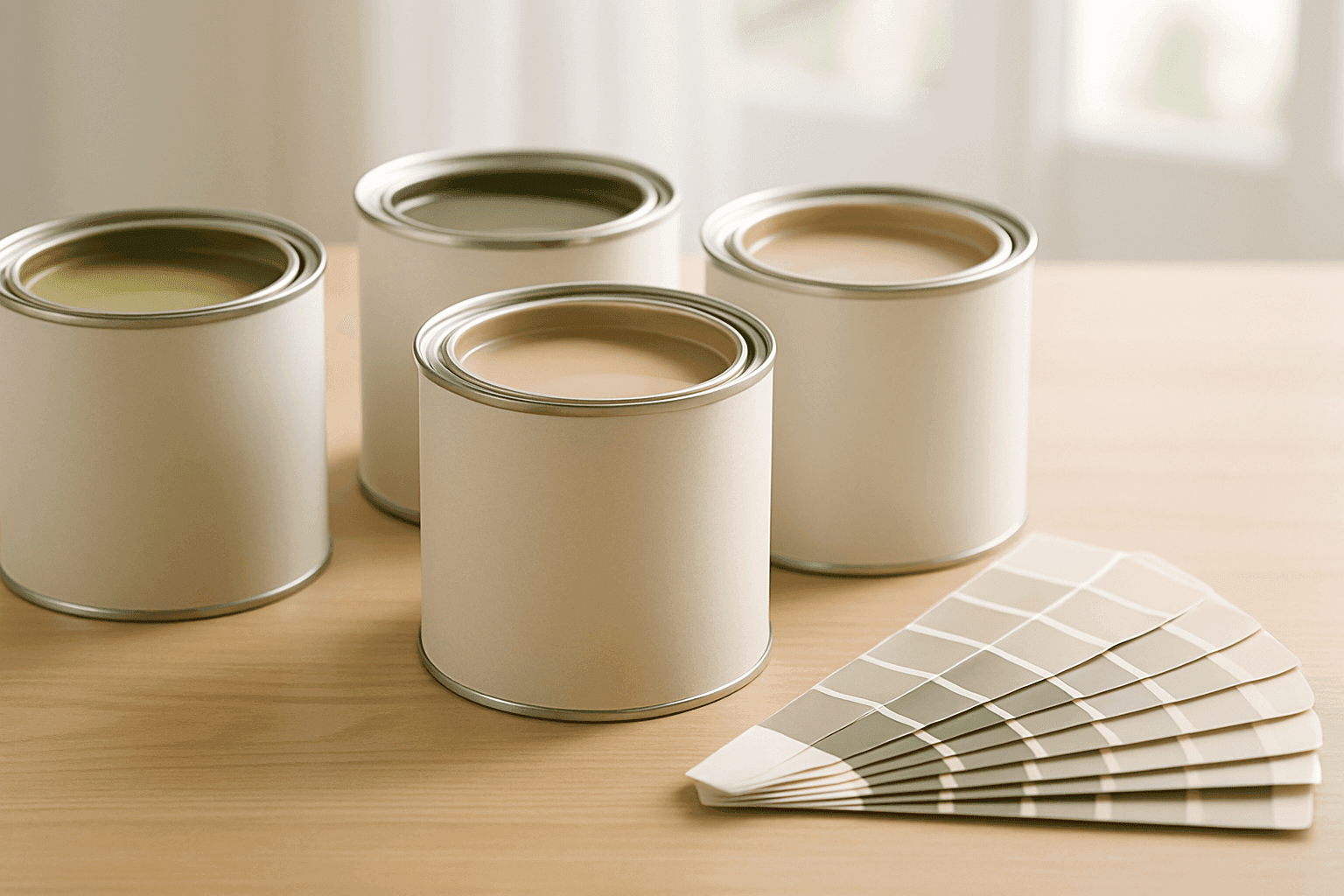
Painting your home or business is a big decision. You want colors that last, surfaces that shine, and—more than ever—a space that’s safe for people and the planet. But the words on a paint can can read like a riddle. What makes a paint truly “eco-friendly”? And how do you know you’re getting the real thing?
At Amet Painting, we’ve helped homeowners and businesses choose and apply sustainable paint solutions for everything from accent walls in cozy living rooms to massive industrial floor projects. Here’s a grounded, practical guide to choosing eco-friendly paint, so your next project leaves a lasting impression—without leaving a heavy footprint.
Why Eco-Friendly Paint Matters
A fresh coat of paint can transform a space. But traditional paints often come with a hidden cost: volatile organic compounds (VOCs), harsh chemicals, and fumes that linger like unwanted guests. These ingredients can affect air quality, trigger allergies, and even break local regulations for commercial spaces.
Eco-friendly paints are designed to reduce this impact. They’re gentler on the environment and safer for the people who live, work, or visit your property. Choosing the right kind isn’t just about being “green”—it’s about creating a healthier, more comfortable place for everyone.
What Makes Paint Eco-Friendly?
The term “eco-friendly” gets tossed around a lot. But what does it actually mean when it comes to paint?
VOCs: The Invisible Culprit
VOCs are chemicals that evaporate into the air as paint dries. They’re responsible for that “new paint smell”—and sometimes for headaches, nausea, or worse. The U.S. Environmental Protection Agency (EPA) and Green Seal provide VOC guidelines for safer indoor air.
- Low-VOC: Contains fewer than 50 grams per liter.
- Zero-VOC: Contains fewer than 5 grams per liter.
Lower VOC levels mean cleaner, fresher air in your home or business.
Ingredients That Matter
Eco-friendly paints use natural or less harmful ingredients:
- Water-based (latex) formulas instead of oil-based
- Plant-based binders and pigments
- Minimal or no heavy metals (e.g., lead, mercury, chromium)
- No formaldehyde or phthalates
Look for Certifications
Don’t just trust the label. Third-party certifications add credibility:
- Green Seal: Independent standard for sustainability and health.
- GREENGUARD: Focuses on low chemical emissions.
- LEED Credit: Paints that help your building get LEED-certified.
How to Read Paint Labels Like a Pro 🕵️♂️
Paint cans are full of numbers and claims. Here’s how to spot the real deal:
- VOC Content: Check for specific grams per liter. “Low odor” isn’t enough.
- Certifications: Look for seals from Green Seal, GREENGUARD, or similar.
- Ingredient List: Fewer unpronounceable words is usually a good sign.
- Warnings: Avoid paints with “danger,” “hazard,” or “flammable” on the label.
- Date Codes: Fresher paint is easier to mix and apply.
Red Flag: Labels that say “eco” or “green” but don’t offer details. That’s called greenwashing—marketing without substance.
Best Uses for Eco-Friendly Paints
Not all eco-friendly paints are created equal. Here’s where they shine:
Residential Spaces
- Bedrooms and Nurseries: Cut down on fumes for sensitive noses.
- Living Rooms and Kitchens: Safer for kids and pets.
- Ceilings and Trim: Use low-VOC options for hard-to-ventilate areas.
Commercial & Industrial Projects
- Offices & Retail: Stay compliant with air quality codes (OSHA, EPA).
- Schools & Healthcare: Healthier for occupants and staff.
- Epoxy Floor Coating near you: Look for water-based epoxy options for garages and warehouses.
Exterior Surfaces
- Stucco, Fences, Decks: Choose eco-friendly options rated for weather resistance.
- Surface Sealing & Concrete Staining: Pick certified products for outdoor durability.
The Benefits Go Beyond the Environment
Eco-friendly paint isn’t just a win for the Earth. There’s more.
- Healthier Indoor Air: Fewer allergens, less respiratory irritation.
- No Lingering Odor: Move in or reopen your space faster.
- Regulatory Compliance: Meets tougher codes for schools, clinics, and offices.
- Durability: Modern low-VOC and zero-VOC paints rival traditional options for color, wear, and washability.
Quick Safety Checklist Before You Start
- Ventilate the area well, even with low-VOC paint.
- Wear gloves and protective eyewear if sanding or removing old paint.
- If removing lead paint, follow EPA’s Renovation, Repair and Painting (RRP) Rule.
- Store and dispose of leftover paint and wash water responsibly—never down the drain.
- Keep children and pets away until surfaces are dry.
DIY vs. Call a Pro
You can paint eco-friendly yourself, but some projects demand a steady hand and a trained eye.
Good DIY Projects
- Accent walls
- Small bedrooms or offices
- Furniture painting
When It’s Best to Call Amet Painting
- Large commercial spaces
- Cabinet refinishing or trim work
- Epoxy floor coating near you (for garages or warehouses)
- Lead paint removal
- Spray painting, textured finishes, or mural painting
Professional painters have access to commercial-grade eco-friendly products and know how to prep, apply, and clean up safely.
What Pros Do On Arrival
When Amet Painting arrives, here’s what you can expect:
- Assess the space and recommend the best eco-friendly options.
- Test for old paint (especially lead or mildew).
- Prep surfaces thoroughly—power washing, drywall repair, or sanding as needed.
- Use drop cloths and eco-safe tape to protect surfaces.
- Mix and apply paint according to manufacturer specs.
- Properly ventilate and clean up, disposing of waste by municipal guidelines.
Prevention & Maintenance Tips
- Dust and wipe surfaces regularly to preserve paint life.
- Use mild, non-abrasive cleaners—harsh chemicals can damage eco-friendly coatings.
- Touch up scuffs early to avoid bigger repairs.
- For decks, fences, and exteriors, reapply eco-friendly sealants every 2–3 years.
Costs & Time Factors
Eco-friendly paints used to be pricier, but prices have evened out. Here’s what to expect:
- Paint Cost: Slightly higher than traditional paint, but offset by fewer coats and less need for ventilation time.
- Prep Time: Similar to standard paint, but always budget extra for surface preparation.
- Dry Time: Many low-VOC paints dry faster, so you can use the space sooner.
- Labor: Specialty coatings or large commercial projects may take longer if extra prep is required.
When It’s an Emergency
If you’re dealing with:
- Peeling, flaking, or powdery paint that might contain lead
- Severe water damage or mold
- Strong, lingering paint odors after a DIY job
Stop work and call a professional. Health and safety come first.
FAQ
Is eco-friendly paint as durable as regular paint?
Yes! Today’s low-VOC and zero-VOC paints stand up to scrubbing, sunlight, and daily wear as well as traditional formulas.
Can I use eco-friendly paint in humid areas like bathrooms?
Absolutely—just pick a product labeled for “bath & kitchen” or “high moisture.” Always ventilate well.
How do I dispose of leftover eco-friendly paint?
Let water-based paints dry out, then check your city’s hazardous waste rules. Never pour paint or wash water down drains or outside.
Will eco-friendly paint limit my color and finish options?
Not anymore. Most brands offer a full range, from bold accent walls to subtle stains for wood, trim, and cabinets.
Local & Seasonal Considerations 🌦️
Where and when you paint matters. In humid or cold climates, look for eco-friendly paints with mold inhibitors. For exterior projects, choose products rated for your weather zone—sun, snow, or rain.
Some eco-friendly paints need to be applied in certain temperature ranges (often above 50°F/10°C). Always check the label before starting, and plan for the season.
The Bottom Line: Greener Choices That Last
Choosing eco-friendly paint is easier than ever. By reading labels, looking for reliable certifications, and working with professionals who use sustainable products, you can refresh your home or business—responsibly.
Have questions or need help planning your next project?
Call Amet Painting now — or reach us anytime at 888-869-1822 .